
The Danger Most Cat Owners Ignore
Every year, over 400,000 cat bites are reported in the United States alone. What most people dismiss as a minor scratch or a playful nip can spiral into amputations, organ failure, and death. Domestic cats, despite their cuddly reputation, carry an arsenal of bacteria in their mouths that can devastate the human body.
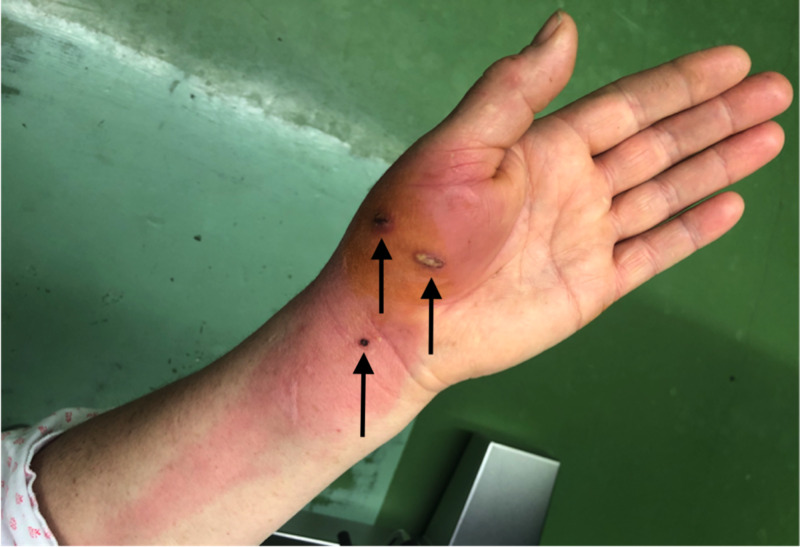
Medical photo showing severe cat bite wounds with surrounding infection and lymphangitis spreading up the arm. Source: Cureus medical journal.
Tom Keck: A Cat Bite Cost Him Both Feet
In August 2022, Tom Keck of North Carolina was playing with his cat when it bit him. He thought nothing of it. Hours later, he was fighting for his life.
Keck had his spleen removed in 2017 after a ladder accident. The spleen is the organ responsible for fighting bloodstream infections. Without it, a simple cat bite became a death sentence waiting to happen.
The bacteria from the bite entered his bloodstream. Septic shock set in. His feet, fingertips, and nose turned black as tissue died. On November 10, 2022, surgeons at WakeMed Raleigh amputated both of Tom's feet. On December 15, they partially amputated each of his fingers.
Tom spent four months in the hospital and required prosthetic feet to walk again.
Mr. Keck had an extremely rare and unfortunate situation occur in his life, something that most people would never even consider possible from such a seemingly minor injury. - Dr. Corey Thompson, WakeMed Orthopaedic Surgeon
Read Tom Keck's full story at WakeMed
Henrik Plettner: Dead Four Years After a Kitten Bite
In August 2018, Henrik Kriegbaum Plettner, a 33-year-old man from Denmark, adopted a cat with kittens from a shelter. While moving one of the kittens, it bit his index finger. Henrik did not think much of it.
By the time he called a doctor, his hand had swollen to twice its normal size. He spent a month in Kolding Hospital. He underwent 15 surgeries. Four months later, doctors amputated his finger entirely because they could not restore function.
The bite wound had closed immediately, trapping bacteria in his bloodstream. Over the next four years, Henrik developed diabetes, gout, pneumonia, and a compromised immune system. In October 2022, he died.
His wife's warning to the public: "Go to the doctor after a bite. Do not think, Oh, that is just a cat. Do not take any chances."
Read about Henrik's case at Gizmodo
Mayo Clinic: 1 in 3 Cat Bites to the Hand Require Hospitalization
A landmark 2014 Mayo Clinic study examined 193 patients with cat bites to the hand. The findings were alarming:
Key Statistics:
- 57 patients (nearly 1 in 3) required hospitalization
- Average hospital stay: 3 days
- 38 patients needed surgical debridement (infected tissue removal)
- 8 patients needed multiple surgeries
- Some required reconstructive surgery
Dr. Brian Carlsen, Mayo Clinic plastic surgeon and hand specialist, explained why cat bites are so dangerous:
The cats' teeth are sharp and they can penetrate very deeply, they can seed bacteria in the joint and tendon sheaths. Cat bites look very benign, but as we know and as the study shows, they are not.
Risk factors for hospitalization included smoking, immunocompromised state, and bites directly over joints or tendons.
Read the full Mayo Clinic study summary at ScienceDaily
The Bacteria Inside Your Cat's Mouth
Cat mouths harbor multiple pathogens that can devastate humans:
Pasteurella multocida - Present in 70-90% of cats. Causes rapid-onset infections that can lead to sepsis and death within 70 hours if untreated. Published medical literature documents multiple fatal cases in elderly and immunocompromised patients.
Capnocytophaga canimorsus - Particularly deadly for people without spleens or with liver disease. The fatality rate reaches 28-30%, even in healthy patients. Victims can deteriorate from a minor bite to organ failure within 24-72 hours.
Bartonella henselae - Causes cat scratch disease. Approximately 12,000 outpatient cases and 500 hospitalizations occur annually in the US. Can cause neuroretinitis, encephalitis, osteomyelitis, or endocarditis in severe cases.
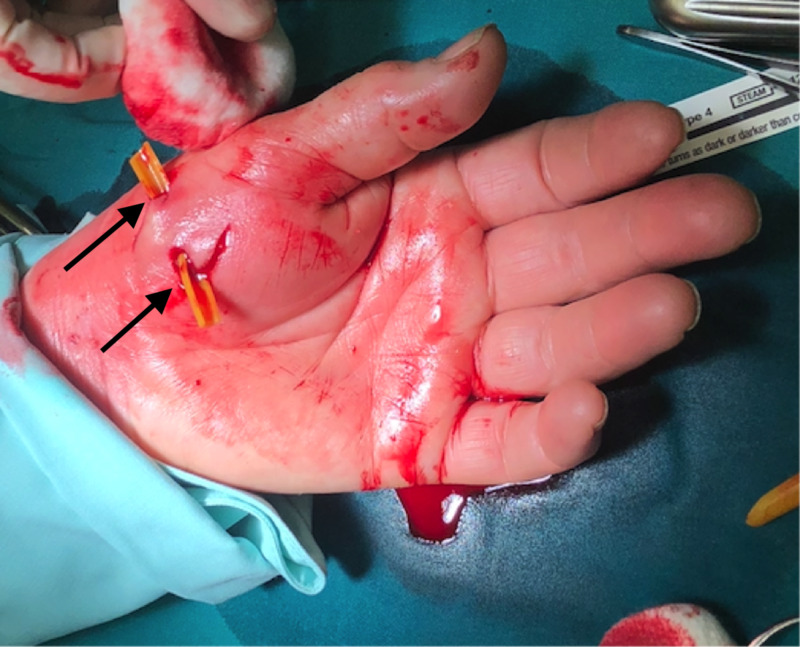
Surgical debridement of infected cat bite wounds with drainage catheter. Many victims require multiple surgeries. Source: Cureus medical journal.
Lux: The 22-Pound Cat That Held a Family Hostage
On March 9, 2014, Lee Palmer of Portland, Oregon called 911 with an unusual emergency: his cat had attacked his 7-month-old baby and was now holding the family hostage in their bedroom.
Lux, described as a 22-pound Himalayan (though later revealed to weigh 13 pounds), had scratched the infant after the child pulled his tail. When Palmer kicked the cat in retaliation, Lux went berserk.
I have a kind of particular emergency here. I kicked the cat in the rear and it has went off over the edge and we are not safe around the cat... We are trapped in our bedroom and he will not let us out of our door. He is charging us. - Lee Palmer, 911 call
Police arrived and captured Lux with a snare. The cat was later diagnosed with feline hyperesthesia syndrome, a neurological condition that causes unpredictable aggression. Despite intervention from Jackson Galaxy of Animal Planet's "My Cat from Hell," Lux was bounced between multiple foster homes due to his violent outbursts.
Read about Lux at ABC News
Rabies: The Ever-Present Threat
Cats are the most frequently reported rabid domestic animal in the United States, with 200-300 confirmed rabid cats annually. While human deaths from cat-transmitted rabies are rare (only two documented cases since 1960), exposure remains a serious concern.
In 2023 and 2024, Florida alone issued multiple rabies alerts after rabid cat incidents:
- August 2023: A feral cat scratched two Disney cast members near Epcot, testing positive for rabies
- September 2024: Marion County rabies alert after a rabid cat was killed in the Citra area
- July 2024: Brevard County alert after a rabid stray cat was killed in Lynn Avenue area
Read about Florida rabies alerts at Fox 35 Orlando
Eye Injuries: A Special Risk
Cats instinctively aim for the face during attacks. A published case report in PMC described a 10-year-old girl who sustained a corneal laceration when her pet cat scratched her eye.
Cat scratches to the eye can cause:
- Corneal abrasions
- Globe rupture
- Secondary infections from Bartonella henselae or Pasteurella multocida
- Tetanus and rabies risk
- Permanent vision loss in severe cases
Parinaud oculoglandular syndrome, a complication of cat scratch disease affecting the eye, occurs in 5-7% of patients with cat scratch disease.
Read the case report on cat eye injuries at PMC
Why Cat Bites Are Worse Than Dog Bites
While dogs cause more bite injuries overall, cat bites are disproportionately dangerous:
Infection rates: 30-50% of cat bites become infected, compared to 5-10% of dog bites.
Puncture depth: Cat teeth are like hypodermic needles - they create deep, narrow puncture wounds that close quickly, trapping bacteria under the skin.
Delayed presentation: The Mayo Clinic study found patients who waited more than 48 hours to seek treatment had a 78% rate of requiring multiple operations.
Hand vulnerability: 45-65% of all animal bites affect hands and wrists, areas with tendons and joints that are highly susceptible to spreading infection.
What You Should Do If Bitten
Medical professionals recommend:
1. Immediate wound care: Wash thoroughly with soap and water for at least 5 minutes
2. Seek medical attention: Do not wait to see if infection develops
3. Prophylactic antibiotics: Especially for hand bites, immunocompromised patients, or bites over joints
4. Tetanus update: If not current
5. Watch for signs of infection: Redness, swelling, warmth, fever, or red streaks spreading from the wound
Anyone without a spleen, with liver disease, diabetes, or a compromised immune system should treat every cat bite as a medical emergency.
The Bottom Line
The evidence is clear: domestic cats pose a genuine medical risk to their owners. The bacteria in their mouths can kill. What looks like an innocent scratch can lead to hospitalization, surgery, amputation, or death.
This is not fearmongering. It is the medical reality documented in peer-reviewed journals, hospital case reports, and the lives of people like Tom Keck and Henrik Plettner.
The next time your cat bites you, do not shrug it off. Get medical attention. It could save your limb - or your life.
---
This article cites peer-reviewed medical literature and documented case reports. Links to primary sources are provided throughout.