
Seventy-Two Cats Seized From Biohazard Homes in Ashtabula County, Ohio
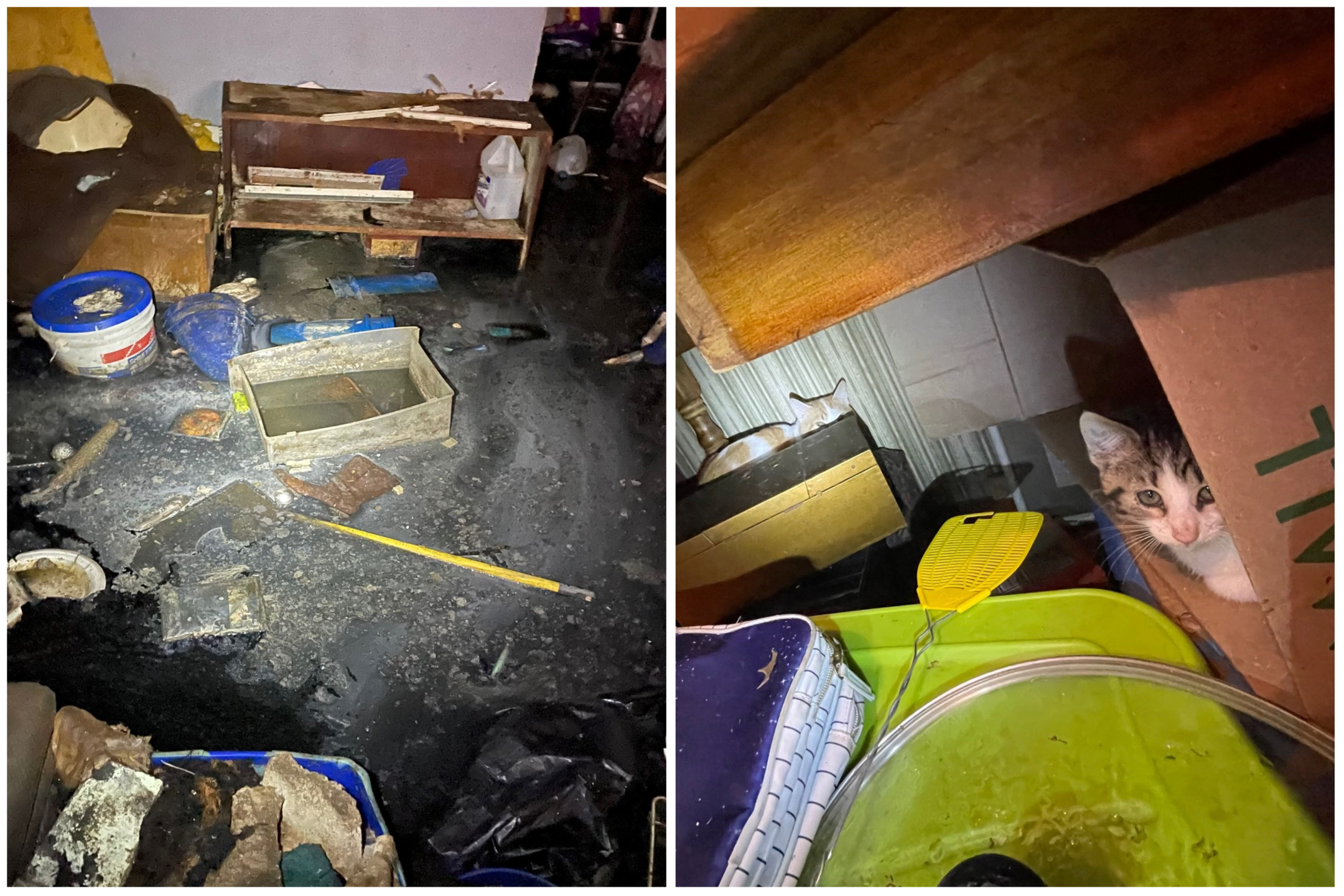
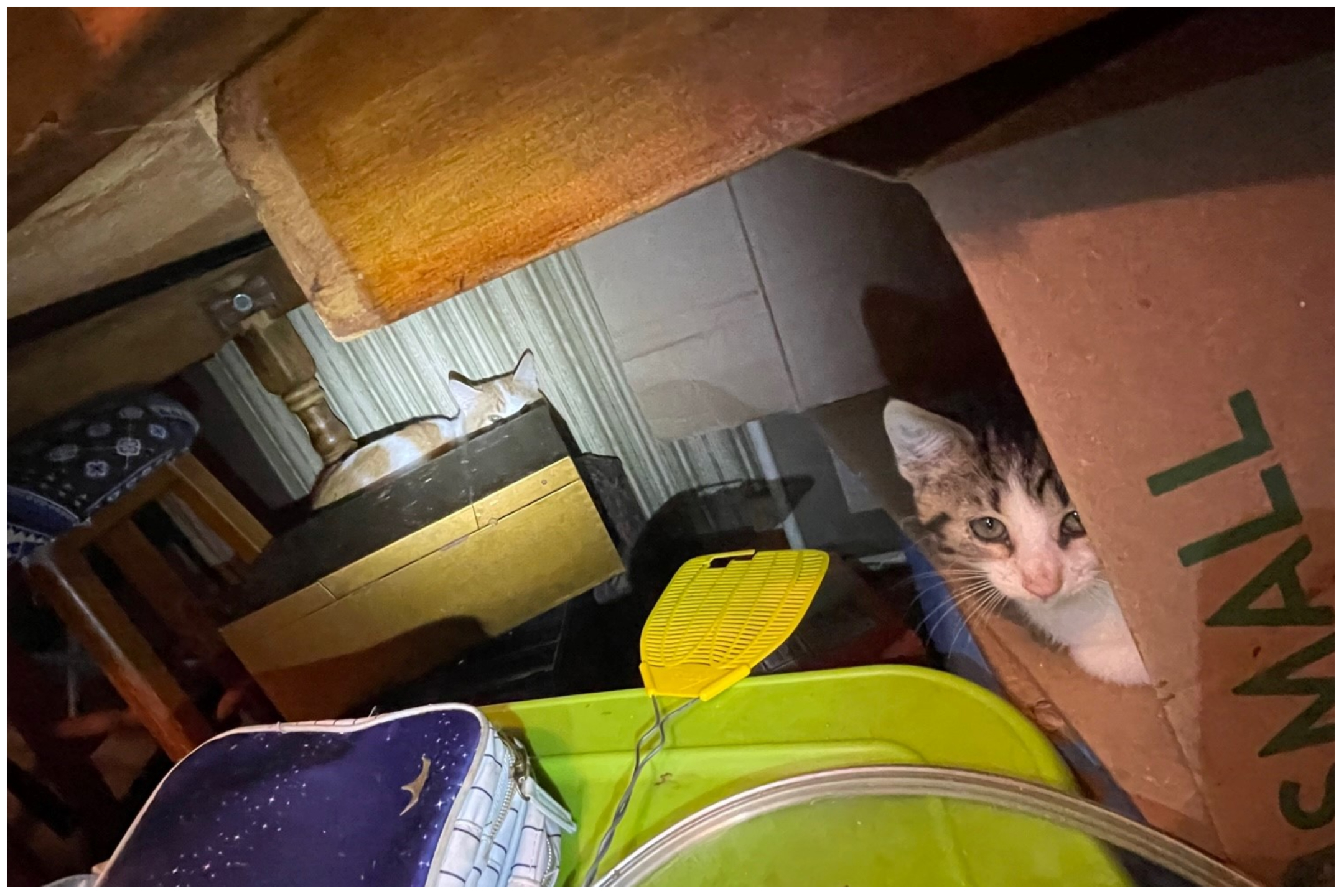
On May 15, 2025, an officer from the Ashtabula County Animal Protective League and a city dog warden responded to a tip about inhumane conditions at a residence in Ashtabula County, Ohio. What they found was classified as a biohazard: urine-soaked floors, overflowing litter boxes, fecal matter caked into every surface, and a flea infestation so severe that multiple cats had gone blind from untreated infections.
Over 40 cats were seized that day. Twelve days later, on May 27, the same individual's second home was raided. Another 28 cats and kittens, plus three dogs, were removed from ammonia-saturated conditions.
Total: 72 cats, 3 dogs, one hoarder, two condemned properties.
Blind Cats and Surgical Eye Removals
Multiple cats pulled from the first home were blind or had only one functional eye. At least two required enucleation -- the complete surgical removal of the eyeball and optic nerve. These were not elderly cats with age-related degeneration. These were animals whose eyes had been destroyed by prolonged exposure to ammonia fumes and chronic, untreated infections.
The ACAPL described the cats from the first home as being in far worse shape than those from the second. Upper respiratory infections were widespread, caused by breathing in fecal particulate and concentrated ammonia for weeks or months on end.
The Shelter Hit Capacity at 257 Pets
By late July 2025, the Ashtabula County Animal Protective League was over capacity at 257 animals. The 72-cat seizure in May had pushed them past their limits, and intake kept climbing through the summer. Rural shelters in Ohio lack the funding and staffing to absorb mass seizures. Every hoarding case creates a cascade: animals need medical care, foster placements, spay/neuter surgeries, and adoptive homes, all at once.
"This case has led to an overwhelming number of cats now in our care." -- Ashtabula County Animal Protective League, May 2025
This Is Not an Isolated Incident
The Ashtabula case is part of a national pattern of cat hoarding disasters in 2025:
Watertown, Connecticut -- September 2025: Martin Oliver, 52, was charged with 50 counts of animal cruelty after 50 animals -- including 25 cats and kittens -- were seized from his home on Cobb Street. Oliver claimed they were "well cared for." He had been arrested the previous year for threatening a neighbor with a gun after an argument about his dogs roaming the neighborhood.
New Castle, Delaware -- October 2025: Mark Ptomey, 39, the president of Pets and Wildlife Sanctuaries, Inc., was arrested after 98 animals were seized from the townhome where he operated his "rescue." Among them: 49 cats, 42 dogs, and 7 small animals. Crates were stacked among trash and clutter. The ammonia was overwhelming. One animal died during transport to the vet. Three more were euthanized. Ptomey was charged with 64 misdemeanor cruelty counts and released on $231 bail. Two hundred thirty-one dollars.
The Common Thread
Every one of these cases shares the same features: too many cats in too small a space, no veterinary care, ammonia levels that destroy lungs and eyes, and neighbors or authorities who waited months or years before intervening. The hoarders range from unlicensed individuals to licensed breeders to the president of an actual animal rescue organization.
The cat hoarding crisis is not a mental health curiosity. It is an animal welfare disaster that kills and maims cats by the dozens while overwhelming the shelters that have to clean up the mess.
Sources:
Cleveland 19: 72 cats, 3 dogs rescued from Ashtabula County biohazard hoarding
Delaware Gov: President of Delaware Animal Rescue charged with animal cruelty