
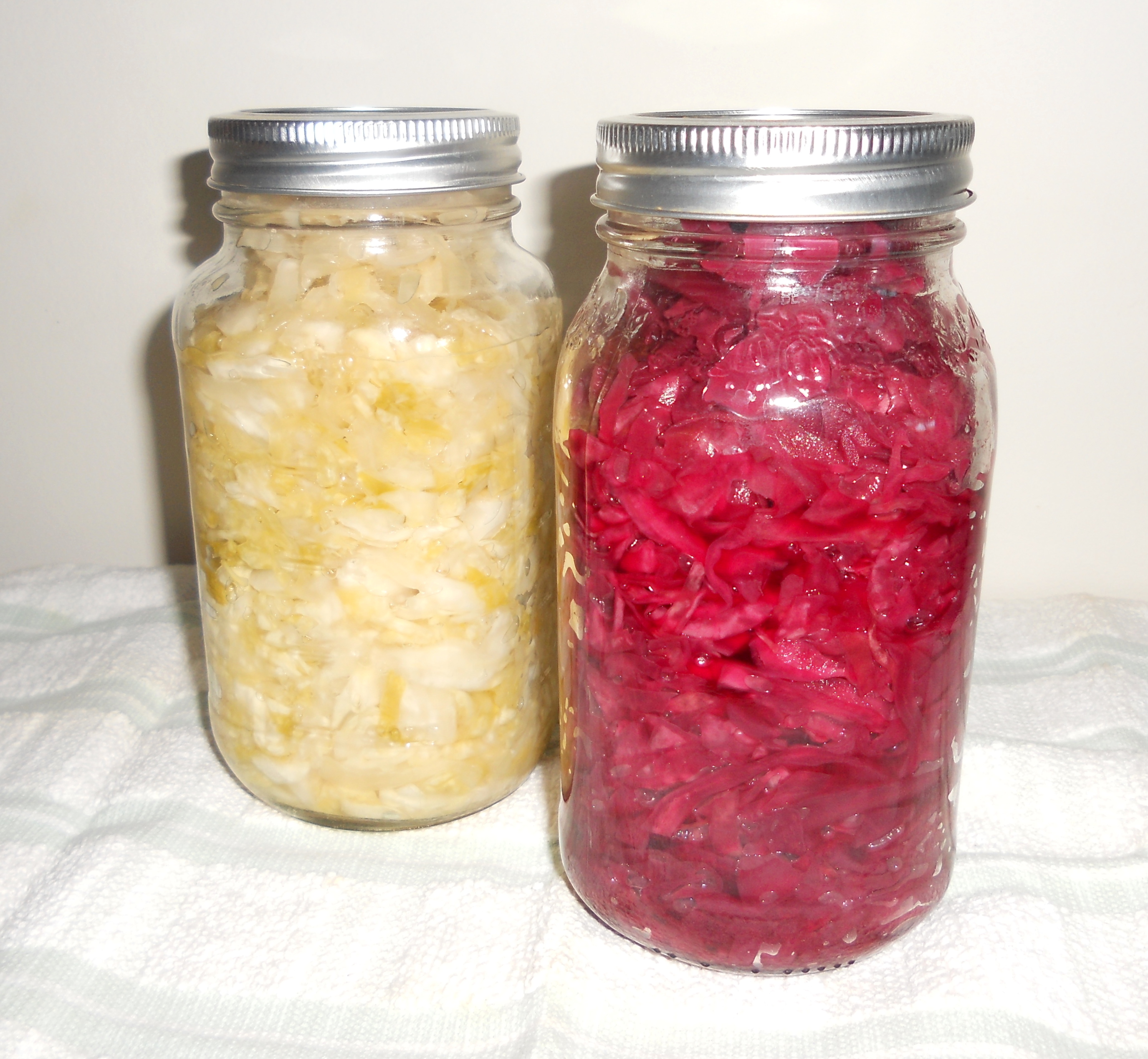
The Sumerians brewed beer. The Chinese fermented rice wine. The Caucasus peoples made wine from grapes. Ethiopians brewed tej from honey. Mesoamericans fermented cacao and agave. The Norse drank mead. Koreans pickled vegetables into kimchi. West Africans fermented palm sap.
None of these cultures learned it from each other. Fermentation was independently discovered on every inhabited continent, by peoples who had no contact with one another. It is one of the most universal human technologies.
How Fermentation Works (Briefly)
At its core, fermentation is simple. Microorganisms, yeasts and bacteria, consume sugars and produce useful byproducts: alcohol, lactic acid, acetic acid, carbon dioxide. The process happens naturally. Leave fruit juice in a warm place and it will ferment on its own, because wild yeasts are everywhere.
Ancient peoples did not understand microbiology. They did not know about yeast or lactobacillus. What they understood was that certain actions, leaving grain in water, burying fish in salt, storing milk in leather bags, produced consistent, desirable results. They developed procedures without understanding mechanisms, and those procedures worked.
This is worth pausing on because it challenges a modern bias. We tend to think that understanding precedes technology. In the case of fermentation, technology preceded understanding by about 8,000 years. Louis Pasteur did not explain the microbiology of fermentation until 1857. Humans had been fermenting for millennia.
Parallel Inventions
What is remarkable is how independently each culture arrived at the same basic techniques.
In Mesopotamia, the earliest evidence of beer brewing dates to roughly 3,400 BCE, though the practice is almost certainly older. The Sumerians left hymns to Ninkasi, the goddess of beer, that double as brewing instructions.
In China, residue analysis from pottery at the Jiahu site shows fermented beverages made from rice, honey, and hawthorn fruit dating to around 7,000 BCE, making it one of the earliest known fermented drinks.
In the Caucasus, the earliest evidence of grape wine comes from Georgia, dating to approximately 6,000 BCE. Chemical analysis of residue in clay vessels, called qvevri, confirmed the presence of tartaric acid, a marker of grape wine.
In East Africa, traditional beverages like tej (honey wine) and tella (grain beer) have histories stretching back centuries, though precise dating is difficult due to the use of perishable containers.
The pattern is clear: wherever humans had access to sugar-containing plants, they eventually discovered fermentation. The specific ingredients varied. The underlying process was universal.
Preservation And Nutrition
Fermentation was not just about alcohol. It was a survival technology. Fermented foods last longer than fresh ones. Sauerkraut kept sailors alive on long voyages. Kimchi provided vitamins through Korean winters. Fermented fish sauce (garum in Rome, nam pla in Thailand, nuoc mam in Vietnam) was a protein-rich condiment that lasted indefinitely.
Fermentation also makes nutrients more bioavailable. Fermenting grains reduces phytic acid, which inhibits mineral absorption. Fermenting soybeans into miso, tempeh, or soy sauce makes the proteins more digestible. Fermenting dairy into yogurt or kefir makes it accessible to lactose-intolerant populations.
Ancient peoples may not have understood why fermented foods were healthier, but they observed the effects and built cuisines around them.
What We Are Still Learning
Modern microbiome research has revealed that fermented foods contain communities of microorganisms that interact with human gut bacteria in complex ways. The health effects of these interactions are still being studied. Traditional food cultures intuited something that science is only now beginning to quantify.
There is a humility lesson here. Grandmothers in rural Korea, Georgia, Ethiopia, and Japan developed fermentation practices through centuries of observation and oral tradition. Their methods were empirical, tested by time rather than by controlled experiment. And they worked. Modern food science is often rediscovering what traditional cultures already knew.
Fermentation science is an active research field with contributions from microbiology, food science, and archaeology. New discoveries about ancient fermented beverages and foods appear regularly as analytical chemistry techniques improve.