

British Pet Cats Drag Home Up to 140 Million Dead Animals Every Year
A University of Derby study published in March 2025 in the journal Ecology and Evolution tracked 553 cats for up to 43 months. The researchers counted every dead animal those cats brought home between 2018 and 2021.
The result: the UK's 10.8 million pet cats return between 37.25 million and 140.4 million prey items per year. Just the stuff they carry through the cat flap. Just the trophies they dump on the kitchen floor.
What They're Killing
The breakdown: 83.21% mammals, 16.03% birds, with smaller numbers of amphibians and reptiles. Shrews, voles, mice, wood mice, bank voles, sparrows, robins, wrens — the entire base of the British food chain, dragged in nightly by animals that are already fed twice a day.
The full study by Lockwood, Bulling and Huck identified key factors: male cats kill more than females, younger cats kill more than older ones, cats with cat flaps kill more than those without. Wearing a bell made no statistically significant difference.
Read that again. Bells don't work.
The Number You're Not Seeing
Here is the part that should scare you. 140 million is only what cats bring home.
Studies estimate that cats eat or abandon three to four times as many kills as they return. They eat prey in the field. They leave carcasses under hedges. They lose interest halfway through a kill and walk away.
So the real UK kill count from pet cats alone could be 400 to 560 million animals per year. Half a billion creatures killed annually by an animal that people buy from breeders and dress up in Christmas sweaters.
The Global Picture
A 2023 study published in Nature Communications by Lepczyk and colleagues found that globally, cats eat 2,084 species. Of those, 347 are species of conservation concern. Cats have contributed to 63 vertebrate extinctions worldwide — more than any other invasive mammal.
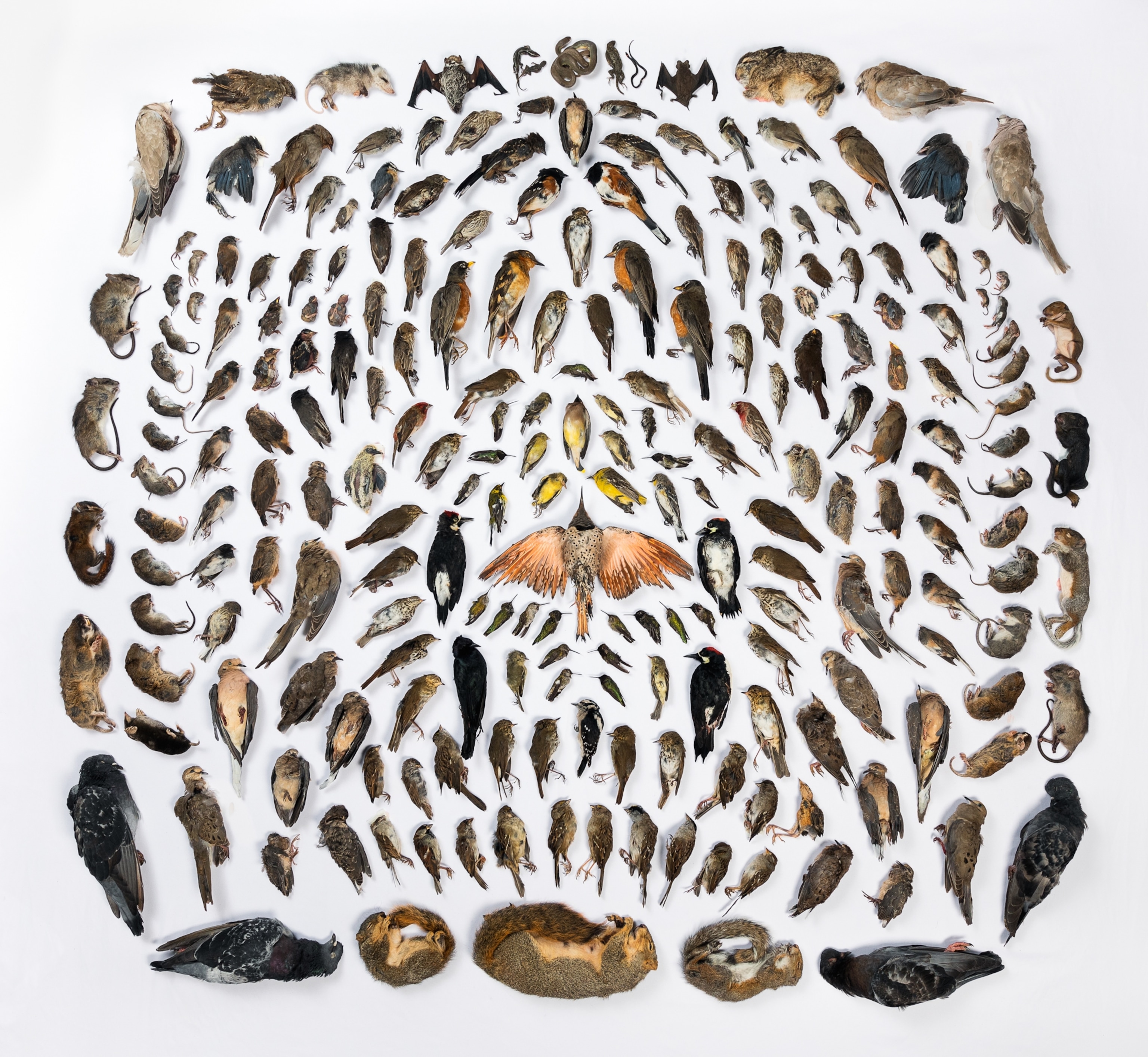
The UK has no large wild cat species left. No lynx. No wildcat population outside of Scotland's tiny remnant. The ecological niche for a mid-sized predator was empty — and then 10.8 million house cats filled it with catastrophic efficiency.
The Super-Predator Problem
Lockwood's data revealed something else: 1.4% of cats in the sample were "super predators" — returning ten or more prey items per month. That tiny fraction of the cat population is responsible for a wildly disproportionate share of the killing.
These aren't ferals living off the land. These are fed, vaccinated, microchipped household pets that kill for sport between meals. Their owners typically have no idea. The cat goes out, murders a family of voles, comes home, eats its Whiskas, and curls up on the sofa.
The Honest Question
Britain has 10.8 million pet cats and a biodiversity crisis. Hedgehog populations have halved. Songbird numbers are falling. Small mammal populations are declining across rural and suburban habitats.
At what point does the country admit that these two facts are connected?