
The Dog Meat Hygiene Crisis: Uninspected, Unregulated, Untested
Forget the ethics debate. Focus on what's actually in the meat.
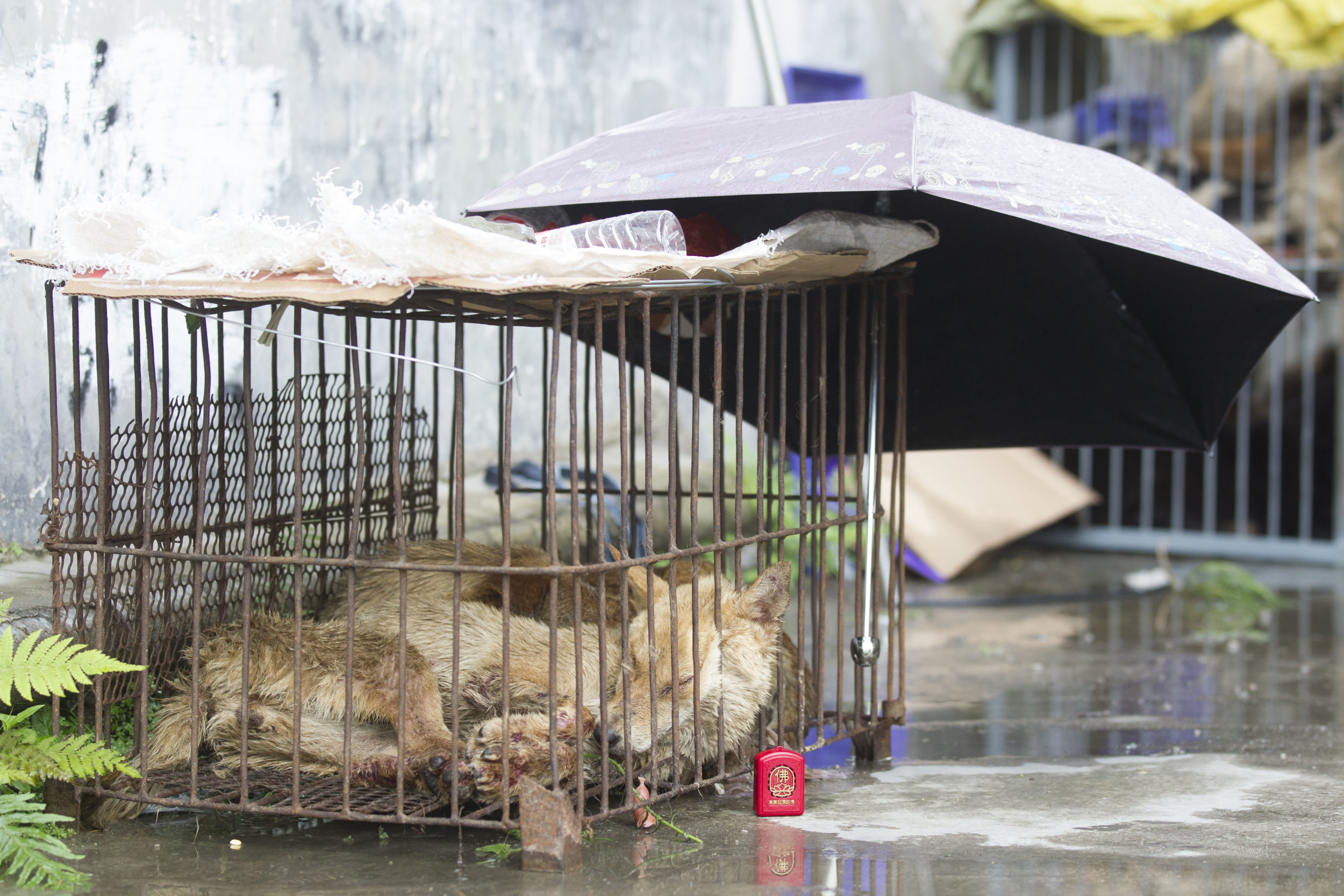
Caged dogs await slaughter at a market in Yulin, China. Photo: Newsweek
No Inspection. None.
The Philippines National Meat Inspection Commission has admitted publicly: they do not inspect dog meat. The same is true in China. And Vietnam. And Indonesia.
This isn't an oversight. There is no framework. No pre-slaughter veterinary checks. No post-mortem testing. No quarantine for transported animals. Dog meat falls outside food hygiene laws entirely.
When you eat beef, pork, or chicken in most countries, that meat passed through a regulated system. Inspectors checked the animal before slaughter. Facilities met sanitation standards. The meat was tested.
Dog meat skips all of this. What you get is whatever was in that animal - rabies, cholera, parasites, bacteria - cooked or not.
The Rabies Numbers
In 2007, a rabies outbreak in Ba Vi, Vietnam killed dozens of people. The Department of Animal Health investigated. Their finding: 30% of human deaths were linked to exposure during the slaughter and butchery of dogs.
Not from bites. From processing the meat.
A 2008 study found 20% of dogs in Hoai Duc slaughterhouses tested positive for rabies. A 2016-2017 study of Hanoi slaughterhouses found 1 in every 100 dog brain samples was infected.
The workers handling this meat? According to research published in PMC, 28.3% of dog butchers reported risk exposure during slaughter - bites, cuts, contact with sick or dead animals. And 84.7% of professional dog butchers had no rabies neutralizing antibodies.
They're handling rabid animals with their bare hands, no vaccines, no protection.
Only 10 people have ever survived rabies once symptoms appear. It's nearly 100% fatal.
The Cholera Connection
In 2007-2008, Vietnam experienced a cholera outbreak. The World Health Organization investigated. Their conclusion: over 2,000 cases were linked to dog meat eateries.
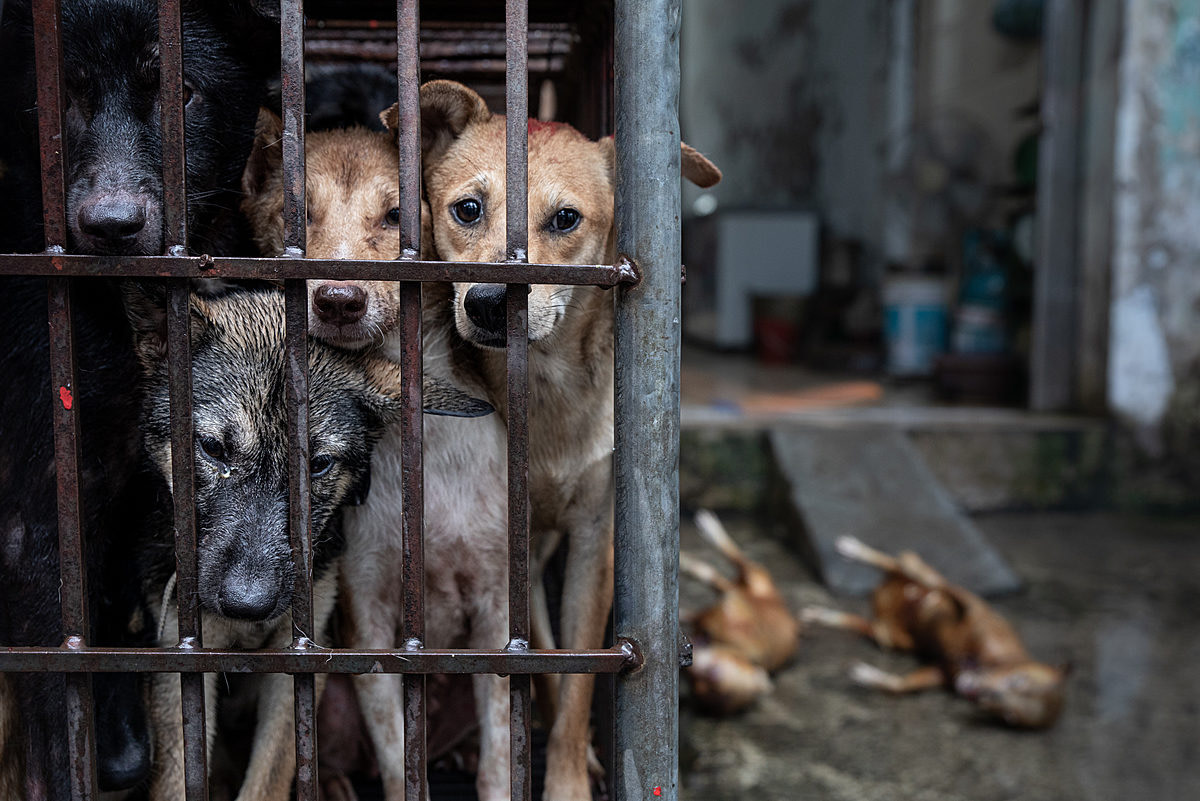
Dogs confined in cages on Hau Hang Street, Hanoi. Approximately 10-20 dogs are killed and sold here daily. Photo: We Animals
Researchers isolated Vibrio cholerae O1 - the cholera bacterium - directly from dog meat samples collected at Khuong Trung market in Hanoi on January 6, 2008.
The WHO has stated that consuming dog meat carries a 20-fold increased risk of cholera infection.
Between 2006 and 2010, Vietnam recorded 3,646 cholera cases - nearly five times higher than the previous five years. The epidemiological data pointed directly at dog meat consumption.
Parasites That Survive Freezing
Trichinellosis is caused by parasitic roundworms. Eat infected meat, and the larvae embed in your muscles. Symptoms include inflammation in blood vessels, hemorrhaging in nail beds and eyes, severe muscle weakness. Untreated, it can kill.
The first documented outbreak of human trichinellosis from dog meat occurred in China in 1974. Since then, researchers have tested approximately 37,000 dogs worldwide. 21% tested positive for Trichinella.
In China specifically, prevalence ranges from 7% in Henan province to 39.5% in Heilongjiang.
Here's the problem: Trichinella larvae in dog meat are resistant to freezing. Unlike pork, where freezing can kill the parasites, dog meat remains dangerous even after cold storage. Only thorough cooking destroys them - and "thorough" is not guaranteed in unregulated kitchens.
The Bacterial Soup
Beyond rabies, cholera, and parasites, dog meat carries:
- E. coli O157 - causes bloody diarrhea, kidney failure
- Salmonella - food poisoning, potentially fatal in vulnerable populations
- Anthrax - can be fatal within days
- Brucellosis - chronic infection, joint pain, fever
- Hepatitis - liver inflammation, can become chronic
- Leptospirosis - kidney and liver damage
According to health experts, dog meat consumption increases bacterial infection risk by up to 20 times compared to inspected meats.
Where These Dogs Come From
There are no legal dog farms for food in China. None that meet any animal welfare or food safety standards.
So where do the 10 million dogs slaughtered annually come from?
Stolen pets - many still wearing collars when they reach slaughterhouses. Strays captured from streets. Animals bought from owners who want to dispose of them.
A 2015 Animals Asia investigation found that most dogs at the Yulin festival were strays or stolen pets from across China.
These animals have unknown vaccination histories. Unknown disease exposure. Unknown diets. They've eaten garbage, roadkill, feces. They've been exposed to whatever pathogens circulate in their environments.
And now they're meat.
The Transport Disease Incubator
Dogs are transported up to 1,500 miles to reach slaughter destinations like Yulin.
The conditions: crammed into wire cages, stacked on top of each other. No food. No water. No rest. For hours or days.
Many die before arrival - from heat, shock, injury, dehydration. The survivors develop skin diseases. They arrive sickly, weakened, stressed.
Stress suppresses immune function. Disease spreads rapidly in cramped, unsanitary conditions. By the time these animals reach slaughter, they're disease vectors.
And then they're processed on the same surfaces, with the same tools, by workers who don't wash their hands between animals.
Slaughter Methods
There is no stunning. No humane protocols.
According to investigators, dogs are beaten to death with metal pipes in full view of each other. Then bled out from cuts to the throat or groin. Electrocution is common. Some are burned alive during hair removal.
In Hanoi markets, photojournalists documented vendors killing dogs by striking their heads with plywood, then stabbing them in the heart. Bodies go into fur-removing machines before burning.
This matters for food safety because stress hormones flood the meat during prolonged terror. Adrenaline and cortisol affect meat quality and can mask the taste of spoilage. Animals that die slowly, in fear, produce different meat than those killed quickly.
More importantly: diseased animals killed this way spray blood, saliva, and other fluids everywhere. Pathogens spread to other carcasses, to surfaces, to workers, to the final product.
The Antibiotic Time Bomb
Dogs on farms receive indiscriminate antibiotics to survive the disease-ridden conditions. Not targeted treatments - blanket doses to keep barely-alive animals functioning until slaughter.
This contributes to antibiotic-resistant bacteria. Superbugs.
Studies predict that drug-resistant infections could kill an additional 10 million people per year by 2050. Every dose of antibiotics pumped into these animals accelerates that timeline.
When you eat that meat, you're consuming antibiotic residues. You're exposing your gut bacteria to resistance-promoting compounds. You're contributing to a global health crisis.
What's Actually Being Proposed
Some countries are moving:
South Korea passed a ban in January 2024, effective 2027. The breeding, slaughter, and sale of dogs for human consumption will become illegal.
Vietnam has closed some facilities through the Models for Change program. In 2024, they shut down a dog meat restaurant and slaughterhouse in Dong Nai province that had operated for 20 years.
Indonesia: Bantul Regency passed a directive against the dog meat trade in July 2024.
But China - where an estimated 10 million dogs die annually - has no national laws against the practice. Yulin continues every June. The slaughter has simply moved to guarded facilities on city outskirts, killing in the early morning hours to avoid media.
The Basic Food Safety Standard
This isn't about whether eating dogs is morally acceptable. Different cultures have different norms.
This is about whether any meat should be:
- Sourced from unknown origins with unknown disease histories
- Transported in conditions that incubate pathogens
- Slaughtered without inspection
- Processed without sanitation standards
- Sold without testing
- Consumed by people who have no idea what they're actually eating
By any reasonable food safety standard applied to beef, pork, chicken, or fish, dog meat fails. Catastrophically.
The 2,000+ cholera cases. The 30% of rabies deaths linked to slaughter. The 21% Trichinella prevalence. The 20-fold increased infection risk.
These aren't moral arguments. They're epidemiological data.
And they apply to everyone who eats this meat, regardless of their cultural background or ethical framework.
---
Sources:
- PMC: Combatting Rabies Outbreaks in Vietnam (2024)
- ResearchGate: Dogs as Vehicles of Cholera in Vietnam
- PubMed: Trichinellosis Outbreaks from Dog Meat in China
- One Green Planet: Health Concerns in Dog Meat Trade
- We Animals: Inside Vietnam's Dog Meat Trade
- Animals Asia: 5 Reasons the Dog Meat Trade Must End