
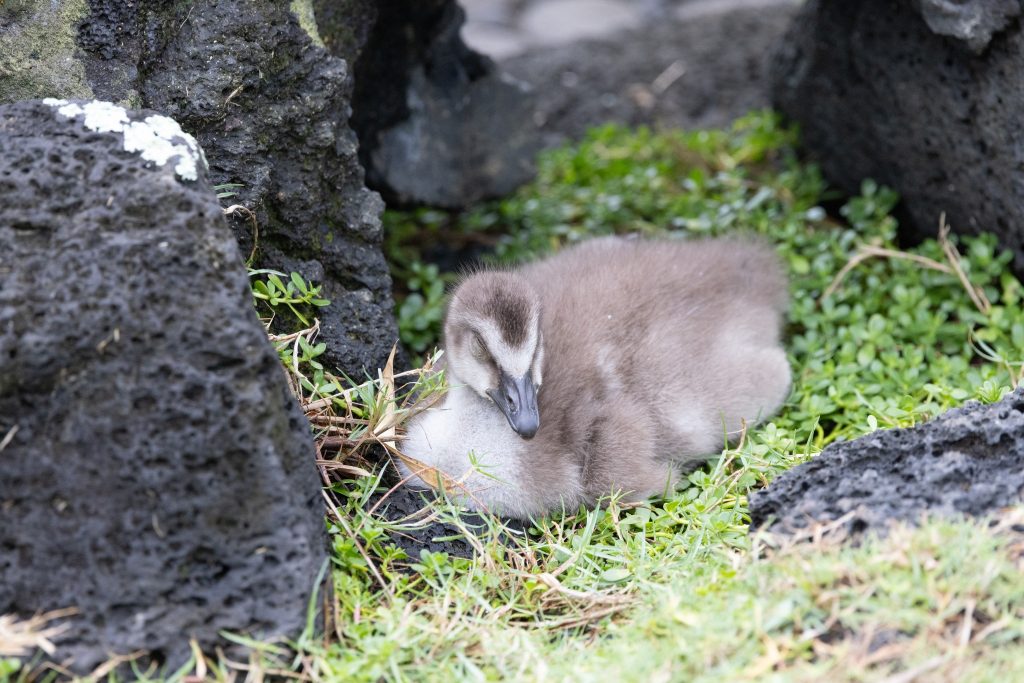
Nene Goslings Are Dying of Toxoplasmosis From Feral Cat Feces in Hawaii
In March 2024, a one-month-old nene gosling was found dead at Liliuokalani Park and Gardens in Hilo, Hawaii. Necropsy by the USGS National Wildlife Health Center confirmed the cause: toxoplasmosis. The parasite Toxoplasma gondii reproduces exclusively in the intestines of cats. Every infected cat sheds millions of microscopic oocysts in its feces. Those oocysts survive in soil and water for months, sometimes over a year.
The gosling walked through contaminated ground in a public park. It never had a chance.
A Mother Who Keeps Losing Her Young
The dead gosling's mother, a nene tagged "NTC," has become a symbol of what feral cats cost Hawaiian wildlife. In March 2023, NTC lost a different chick at another Hilo park. In 2025, her mate -- a male nene -- was struck and killed by a car while crossing a road to reach a feral cat feeding station in Hilo.
NTC keeps nesting. The cats keep killing her offspring, directly or indirectly.
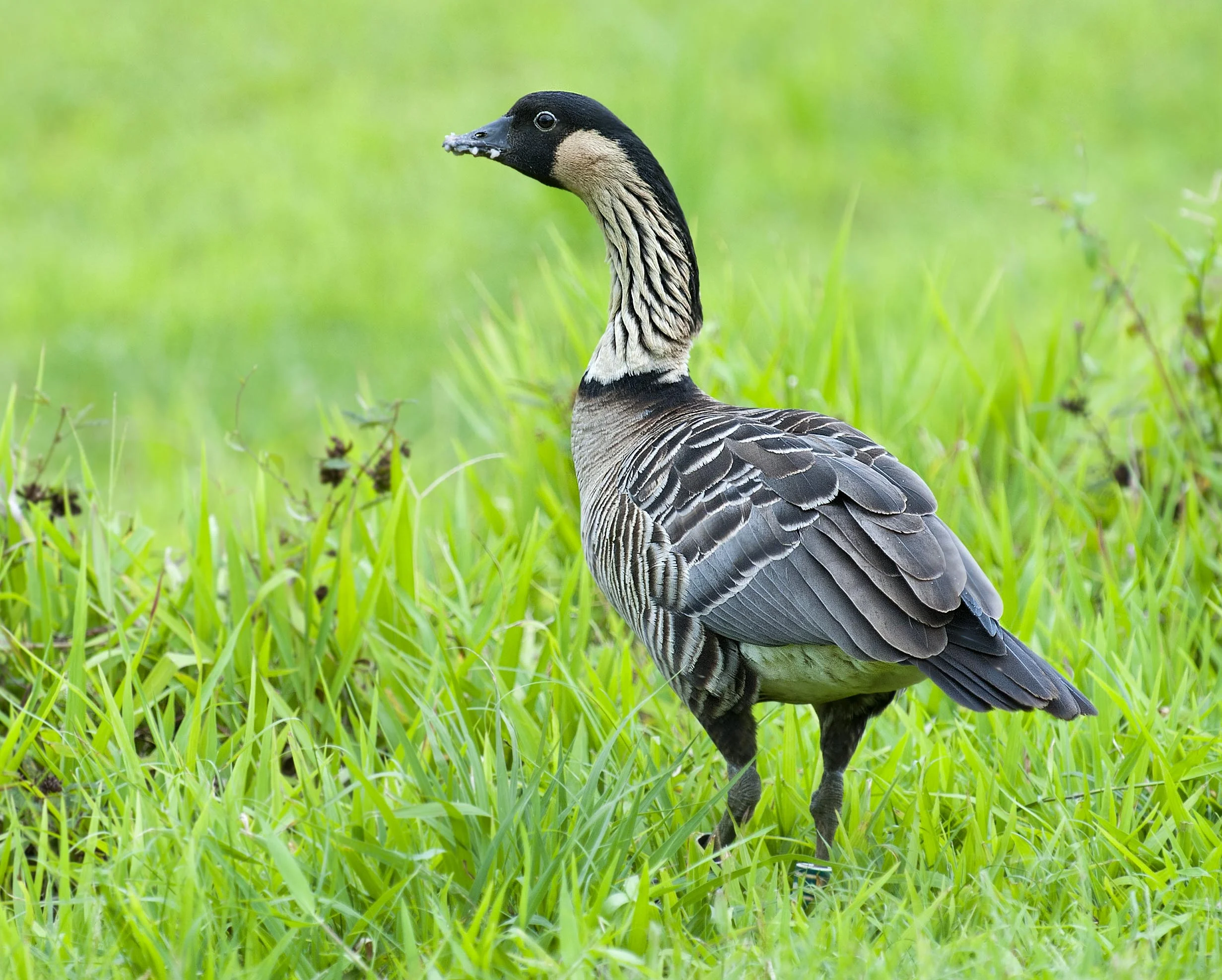
40% of Dead Nene Were Infected
DOFAW biologist Raymond McGuire, who collected the dead gosling and sent it for lab analysis, has worked with nene for decades. The numbers he and other researchers have compiled paint a grim picture: up to 40% of the roughly 300 nene carcasses examined over recent years tested positive for Toxoplasma gondii.
DLNR Chair Dawn Chang put it plainly:
"Toxoplasmosis continues to be the chief cause of death for infectious diseases for nene and critically endangered Hawaiian monk seals."
At Liliuokalani Park alone, cameras have captured nene eating cat food alongside the colony of at least 70 feral cats that people regularly feed there. The birds walk through the same feces-contaminated ground, drink from the same puddles, and forage in the same soil where cats defecate daily.
Hawaii Finally Acted -- Sort Of
Hawaii County passed Bill 51 in August 2025, banning the feeding of feral animals on county property. The law took effect January 1, 2026, with a $50 fine for first violations and $500 for repeat offenses.
The bill faced fierce opposition. 454 written testimonies opposed it. Only 25 supported it. Over 1,900 emails flooded in against the measure. Cat colony defenders -- many affiliated with trap-neuter-return programs -- argued it was "inhumane."
Jordan Lerma of the Nene Research and Conservation nonprofit has been documenting the collision between feral cat colonies and nene nesting sites for years. The pattern is consistent: where cat feeding stations appear, nene suffer.
The Math Is Simple
The nene was driven to near-extinction by the mid-20th century, bottoming out at just 30 birds. Conservation programs spent decades and millions of dollars bringing the population back to roughly 3,800 today. Toxoplasmosis from feral cat feces is now the single greatest infectious disease threat to that recovery.
Every feral cat feeding station within range of nene habitat is a biological weapon aimed at an endangered species. A $50 fine is not going to fix that.
Sources:
DLNR: Death of Nene Gosling in Hilo Park Points to Disease Carried by Feral Cats
American Bird Conservancy: Hawaii County Passes Bill Banning Feeding of Feral Animals