
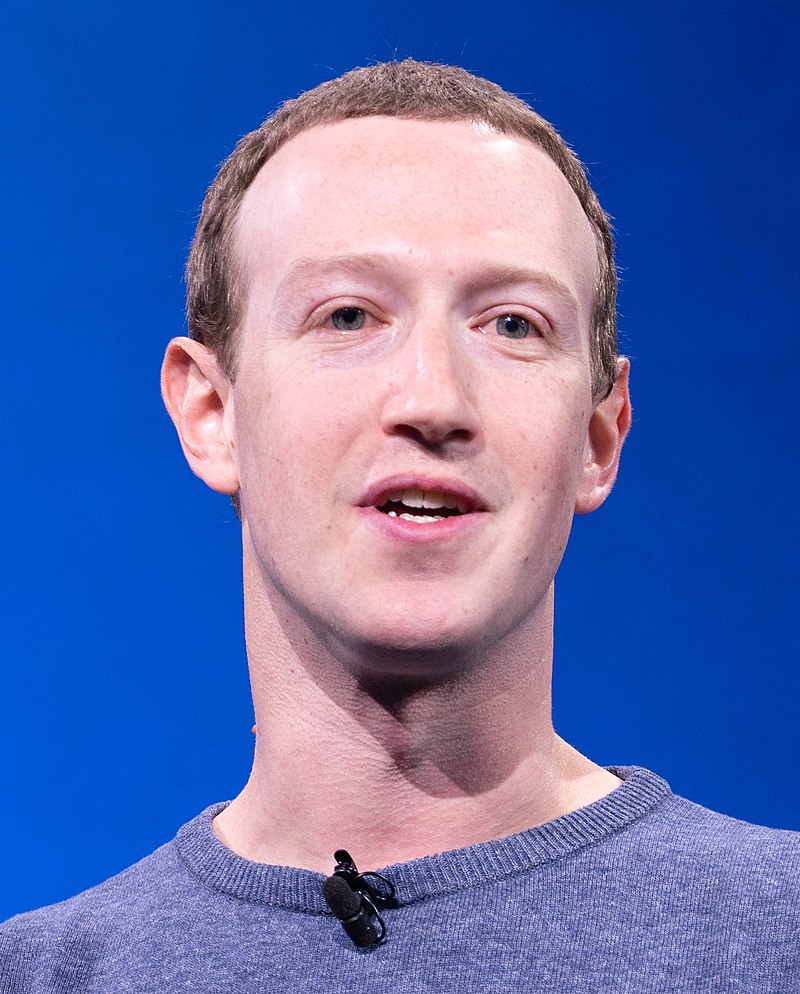
Zuckerberg on Trial
On February 18, 2026, Meta CEO Mark Zuckerberg took the witness stand in a Los Angeles courtroom in the first trial from approximately 1,600 lawsuits accusing social media companies of causing addiction in children and teenagers. TikTok and Snap settled before trial, leaving Meta and Google as the remaining defendants.
The plaintiff is a 20-year-old Californian identified as "Kaley" or KGM, who became addicted to YouTube at age 6 and Instagram at age 9. Her attorneys are using product liability law — the same legal framework that brought down Big Tobacco — to argue that social media apps are defective products.
Over 2,325 total lawsuits have been filed by families, schools, and state attorneys general.
NPR: Meta CEO to Face Jury in Landmark Social Media Addiction Trial
The Product Liability Argument
The legal theory is straightforward: social media platforms are products. Products must be reasonably safe for their intended users. Children and teenagers are intended users — Meta's own internal documents target "teens" and "tweens." The platforms are designed to maximize engagement, which in vulnerable users produces compulsive use patterns indistinguishable from addiction.
If a lawnmower was designed with a feature that made it more dangerous to use but increased the manufacturer's revenue, the manufacturer would be liable. Plaintiffs argue that algorithmic recommendation systems, infinite scroll, push notifications, and like counters are the digital equivalent of that dangerous feature.
What Zuckerberg Said
Zuckerberg was grilled about Meta's strategy to target teens and tweens. Internal documents revealed during discovery show that Meta knew its products were harmful to adolescent mental health — the now-infamous "Instagram makes body image issues worse for 1 in 3 teen girls" finding from 2021 — and continued optimizing for engagement regardless.
Zuckerberg pushed back on the characterization, arguing that Meta has implemented parental controls and content filters. The plaintiffs noted those controls were added after public pressure and lawsuits, not proactively.
CNN: Zuckerberg Testifies About Effects on Children
The Tobacco Parallel
The tobacco litigation of the 1990s followed an identical trajectory: internal documents showing the manufacturer knew the product was harmful, decades of public denial, a shift to targeting younger users, and ultimately a legal reckoning that cost the industry $206 billion in the 1998 Master Settlement Agreement.
The social media litigation is at an earlier stage but follows the same playbook. Internal knowledge of harm. Continued optimization for the harmful features. Belated safety measures deployed as legal strategy rather than product design.
The Stakes
If this trial produces a verdict against Meta, it could open the floodgates for the remaining 1,600+ lawsuits. The potential financial exposure for Meta alone is in the billions. For the industry as a whole, a product liability finding would force fundamental changes to how platforms are designed — not cosmetic parental controls, but structural changes to the engagement architecture that makes these products addictive.
Zuckerberg built a platform that his own researchers said harms children. He is now in a courtroom explaining why that is not his fault. The jury will decide. And 2,325 families are watching.