
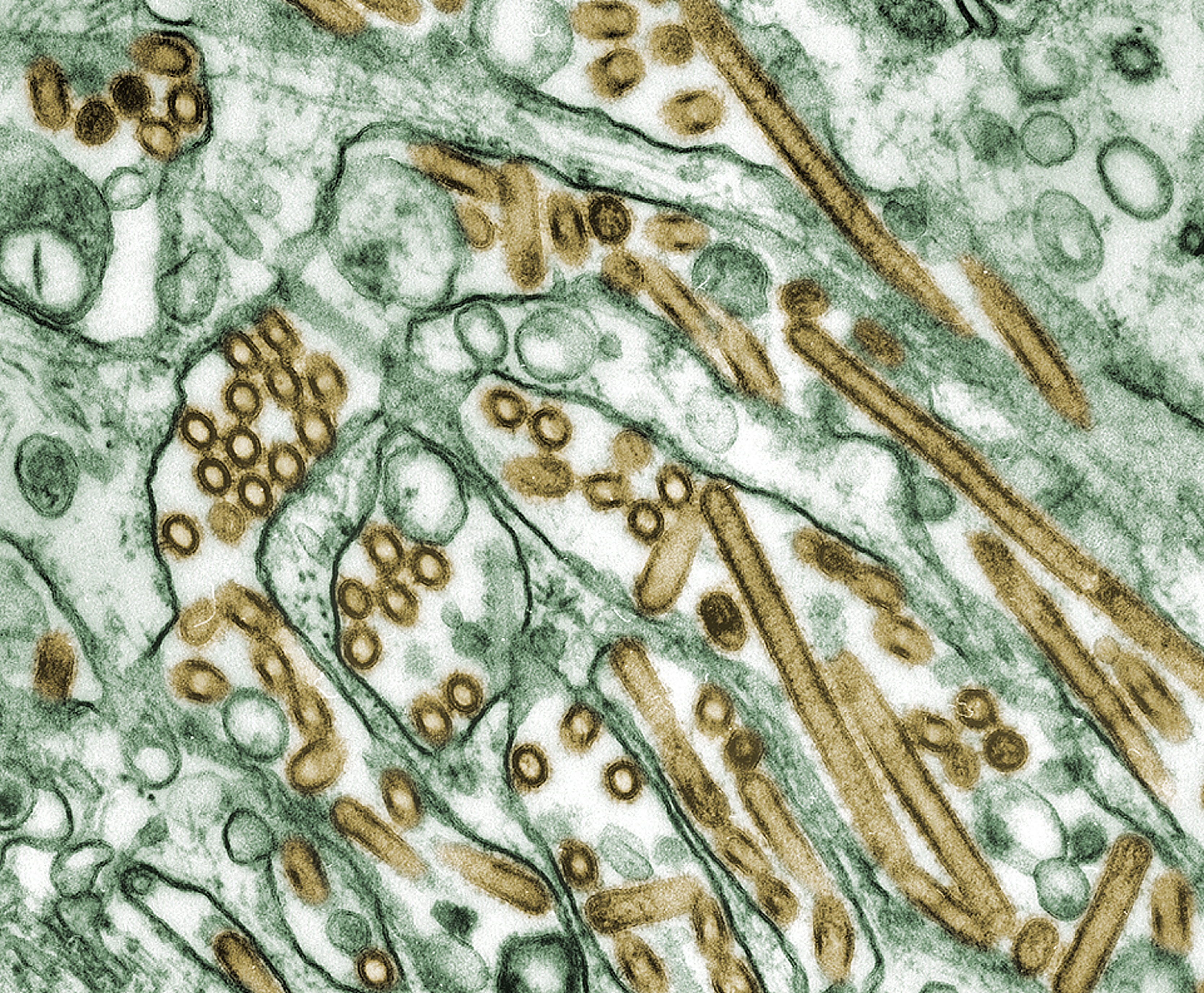
Bird Flu Is Killing Cats at 70 Percent
Since March 2024, when H5N1 avian influenza jumped into U.S. dairy cattle, dozens of domestic cats have contracted the virus. The mortality rate among infected cats is estimated at up to 70 percent. Arizona alone has recorded 12 cat H5N1 cases in 2026. In Los Angeles County, four house cats died after consuming recalled raw milk from Raw Farm, LLC. A cat in Washington County died after eating contaminated raw frozen pet food from Northwest Naturals.
There is no vaccine for cats. There is no approved treatment. And nobody is testing feral cat colonies.
How Cats Get Infected
Cats are contracting H5N1 through three routes: raw milk from infected dairy herds, raw pet food containing contaminated poultry (duck, turkey, chicken), and direct contact with infected birds. Barn cats on dairy farms have been hit especially hard. Feral cats that hunt wild birds face the same risk with zero monitoring.
AVMA: Cat Deaths Linked to Bird Flu-Contaminated Raw Pet Food
The FDA warned in early 2026 about H5N1 detection in raw cat food products. Northwest Naturals recalled its 2-lb Feline Turkey Recipe raw frozen pet food after it tested positive.
Symptoms and Progression
Infected cats initially show fever and lethargy. Within days, the virus progresses to neurologic signs: seizures, blindness, loss of coordination. Then respiratory failure. Then death. The progression is rapid and, in most cases, fatal.
The USDA has confirmed H5N1 in cats, mountain lions, tigers, leopards, bobcats, and other mammals. This is not a species-specific problem. It is a mammalian adaptation problem.
The Feral Colony Blind Spot
The United States has an estimated 30-80 million feral cats. They live in unmanaged colonies in every state. They hunt birds. They scavenge from dumpsters near poultry facilities. They drink from dairy farm runoff. Nobody vaccinates them. Nobody tests them. Nobody tracks what they carry.
CIDRAP: "Spike in Avian Flu Cases in Cats Triggers Worry About Human Spillover"
A 2026 study noted that surveillance of H5N1 in domestic cats is "critically lacking and urgently needed." Cats are "potential reservoirs and vectors" for avian influenza. Every unmonitored feral colony is a potential mixing vessel where avian and mammalian flu strains can reassort.
The Pandemic Risk Nobody Wants to Name
H5N1 has a roughly 50 percent fatality rate in humans. The reason it has not caused a pandemic is that it does not yet transmit efficiently between people. But every time it infects a mammal, it gets another chance to adapt. Cats are mammals. Feral cats number in the tens of millions. And they move freely between wild bird habitats and human neighborhoods.
The CDC situation summary, updated regularly, tracks human cases and poultry outbreaks. Feral cat colonies are not mentioned.
CDC: H5 Bird Flu Current Situation
We are running a pandemic preparedness strategy that pretends 50 million unmonitored disease vectors do not exist.